


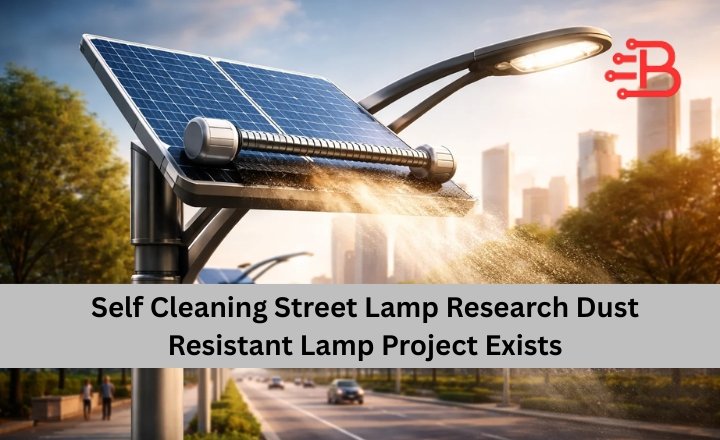
In an era where urban infrastructure is increasingly influenced by technological advancements, the concept of self-cleaning street lamps is garnering significant attention. The self cleaning street lamp research dust resistant lamp project exist aims to address common urban challenges such as maintenance costs, environmental sustainability, and the need for enhanced visibility in public spaces.
In this article, we will explore the innovative technology behind self-cleaning street lamps, their benefits, and the ongoing research that is shaping the future of urban lighting.
Read More: What Is B2K-ZOP3.2.03.5 Model: A Comprehensive Overview
Understanding Self-Cleaning Street Lamps and Their Mechanisms
- Innovative Design Features: The self cleaning street lamp research dust resistant lamp project exist is rooted in advanced engineering and design. These lamps employ hydrophobic and oleophobic coatings that prevent the accumulation of dirt, dust, and grime.
The hydrophobic aspect repels water, causing it to bead up and roll off the surface, carrying away particles along with it. Meanwhile, the oleophobic coating resists oil-based pollutants, which are often prevalent in urban environments due to vehicle emissions. Collectively, these properties help maintain the street lamp’s brightness while significantly reducing maintenance frequency and costs. - Integration with Smart Technology: Beyond their cleaning capabilities, self-cleaning street lamps are often integrated with smart technology, enhancing their functionality. These systems can incorporate sensors that detect environmental conditions, adjust brightness based on ambient light, and even monitor air quality.
By leveraging Internet of Things (IoT) technology, these lamps can communicate with a centralized control system or other smart devices, allowing for real-time data analysis and decision-making. This integration not only maximizes energy efficiency but also contributes to the overall smart city initiative, where technology is used to improve urban living quality.
The Benefits of Self-Cleaning Street Lamps
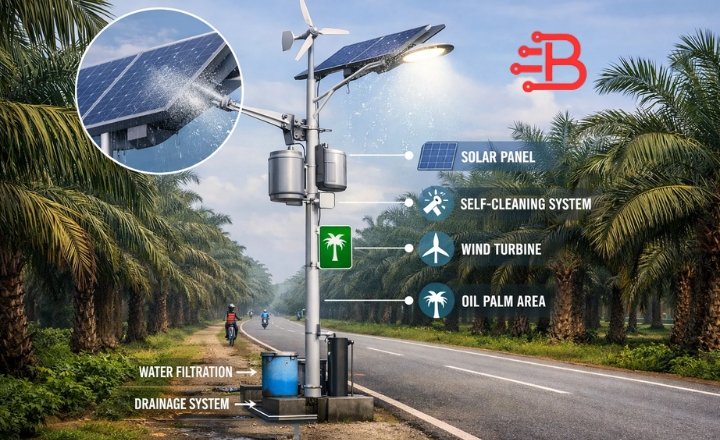
- Cost-Effectiveness and Sustainability: One of the most significant advantages of the self cleaning street lamp research dust resistant lamp project exist is its potential for cost savings. Traditional street lamps require regular maintenance, including cleaning and bulb replacement, which can be labor-intensive and expensive.
By utilizing self-cleaning technology, municipalities can reduce maintenance frequency and associated costs. This efficiency translates to lower operational budgets for local governments, allowing them to allocate resources to other pressing needs. - Enhanced Visibility and Safety: The cleanliness of street lamps directly impacts their effectiveness in providing illumination. Dust and grime can significantly diminish the brightness of bulbs, creating safety hazards in poorly lit public spaces. The self cleaning street lamp research dust resistant lamp project exist addresses this issue by ensuring that street lamps maintain optimal brightness.
Improved visibility not only enhances safety for pedestrians and drivers but also deters criminal activity in urban areas. Well-lit streets are known to reduce crime rates, making self-cleaning lamps an integral part of community safety initiatives. The combination of reliable lighting and reduced maintenance makes these lamps a valuable asset for city planners aiming to enhance public spaces.
Current Research and Developments in Self-Cleaning Lamp Technology
- Innovative Coating Materials: The ongoing research behind the self cleaning street lamp research dust resistant lamp project exist focuses on developing new and improved materials for the self-cleaning coatings. Researchers are exploring various nanotechnology applications to create coatings that offer even greater durability and effectiveness against environmental contaminants.
The exploration of advanced materials extends beyond hydrophobic and oleophobic properties. Researchers are examining the potential for incorporating photocatalytic components that break down organic pollutants upon exposure to light. This innovative approach could further increase the effectiveness of self-cleaning lamps, positioning them as a go-to solution for urban lighting. - Lifecycle and Environmental Impact Assessment: Another significant area of research is the lifecycle analysis of self-cleaning street lamps. Understanding the long-term environmental impact of these installations is essential for promoting sustainability.
Various studies aim to evaluate factors such as the energy consumption associated with manufacturing, the environmental implications of their coatings, and the overall carbon footprint. By conducting thorough lifecycle assessments, researchers can ensure that self-cleaning street lamps align with broader sustainability goals and urban planning initiatives.
Case Studies and Pilot Projects
- Real-World Implementations: Several cities across the globe have initiated pilot projects to test the effectiveness of self-cleaning street lamps in urban settings. For example, in Singapore, a pilot project demonstrated the promising results of self-cleaning technology in maintaining illumination quality over time.
Data collected from these pilot projects provide invaluable insights into performance, maintenance reduction, and overall operational costs. The findings help inform decisions regarding the wider implementation of self-cleaning lamps in urban planning, allowing cities to assess their feasibility on a broader scale. - Feedback and Adaptation: Gathering feedback from these pilot studies is critical for refining the technology. City officials, lighting engineers, and citizens involved in these projects contribute to a comprehensive evaluation process, identifying strengths and areas for improvement.
As insights are amassed, researchers can adapt the design and functionality of self-cleaning street lamps to better meet the needs of urban environments. This iterative process transforms initial concepts into practical, effective solutions that enhance public safety and aesthetic appeal.
Future Directions for Self-Cleaning Street Lamp Technology
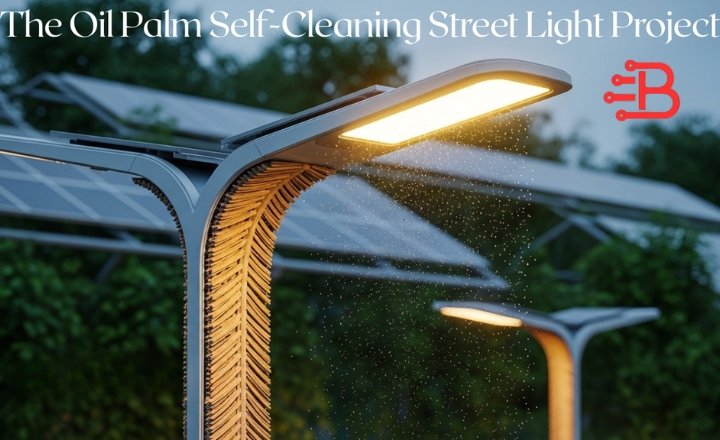
- Integration with Renewable Energy: As societies increasingly shift towards renewable energy sources, there is a compelling opportunity to integrate self-cleaning street lamps with solar technology.
Solar-powered street lamps equipped with self-cleaning features would reduce dependency on the grid, lead to further cost savings, and align with sustainability goals. Innovations in energy storage can enhance the viability of these systems, ensuring they function effectively regardless of weather conditions. - Expanding Applications: While the current research primarily focuses on street lighting, the principles behind self cleaning street lamp research dust resistant lamp project exist can be adapted for other public infrastructure.
For instance, self-cleaning technology could be employed in traffic signal systems, bus shelters, and public signage. By expanding the application of self-cleaning technology, municipalities can enhance the overall urban environment and improve public health and safety in various contexts.
Conclusion
In conclusion, the self cleaning street lamp research dust resistant lamp project exist marks a significant advancement in urban lighting technology. The fusion of innovative materials and smart technology offers a multitude of benefits, including decreased maintenance costs, improved public safety, and sustainable urban infrastructure.
As ongoing research continues to refine and expand the applications of self-cleaning street lamps, municipalities stand to gain from integrating these solutions into their urban planning strategies. By prioritizing cleaner, safer, and more efficient public spaces, cities can enhance the quality of life for their residents while reducing operational costs.
